.png)


 to add an item to your Itinerary basket.

The isle of Anglesey is strewn with archaeological sites. Centuries and millennia old. You can visit neolithic burial chambers, iron age roundhouses and medieval castles. One of which, Beaumaris Castle is part of the Castles and Town Walls of King Edward in Gwynedd World Heritage Site.
The landscape however is much much older. Holding stories many millions of years old. The whole of Anglesey has been a UNESCO Global Geopark since 2015 for its incredible geology ranging from 800 million years in age to the last ice age. There are over 100 different rock types to be found on the island, each of which tells its own story of the Earth and of Anglesey’s deep history millions of years ago.
It doesn’t matter where you are on Anglesey, you'll be surrounded by ancient stories, but here are 5 places you can visit to explore the island’s deep past.
Llanbadrig
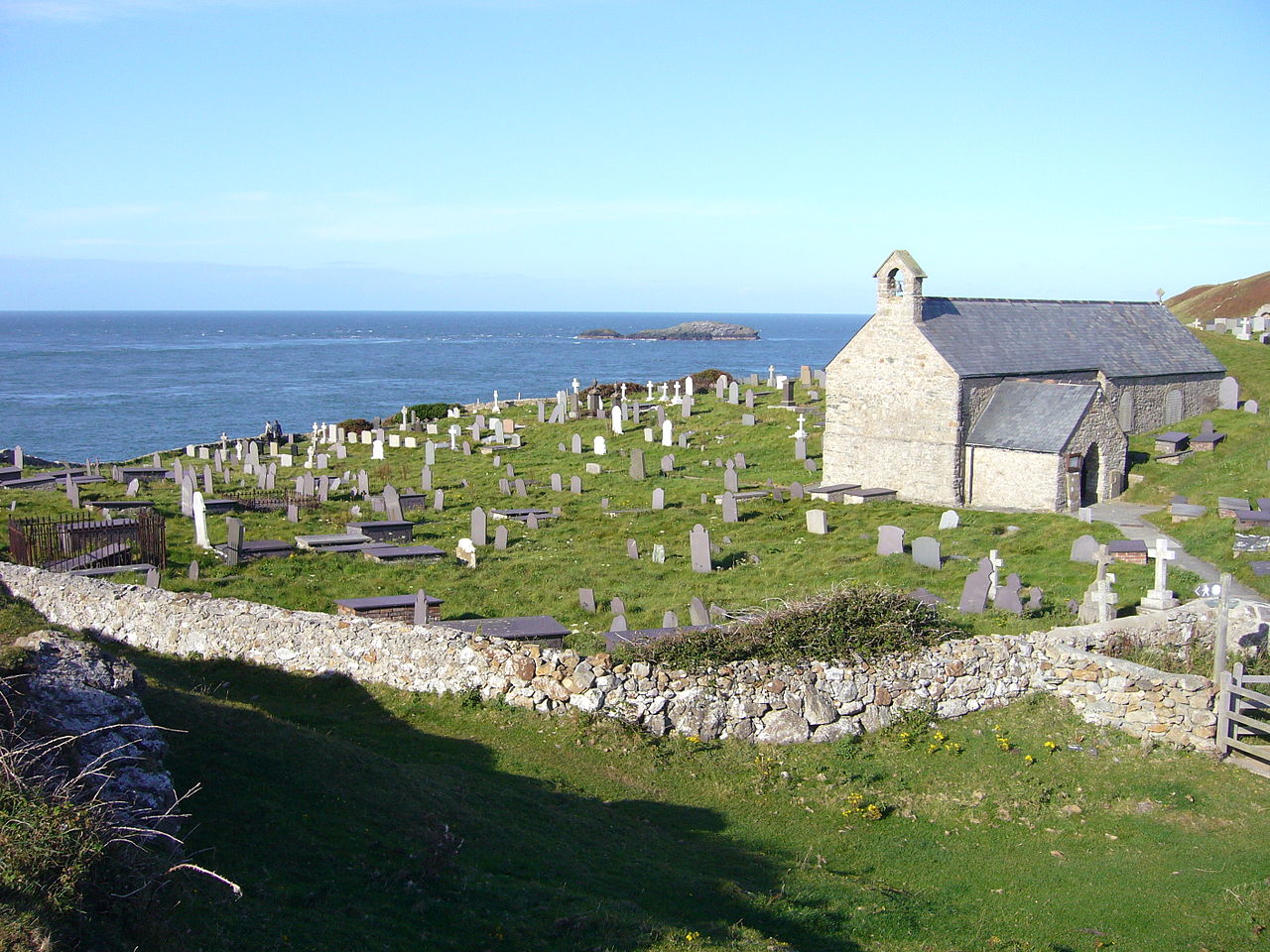
Photo by Tom Oates licensed under Creative Commons
At the northernmost tip of Anglesey near the village of Cemaes, you’ll find a landscape that feels like the edge of the world. Llanbadrig Church, famously founded by St. Patrick in the 6th century after he was shipwrecked nearby. The area was once described by the Dalai Lama as the most peaceful place on Earth.
But the real secret lies beneath your boots. The rocks here are over 800 million years old and contain stromatolites. They are fossilised bacterial growths that were among the first lifeforms to produce oxygen. Walking these cliffs is a journey back to the very dawn of life. Whether you come for the spiritual history or the prehistoric fossils, the quiet majesty of Llanbadrig is unforgettable.
Parys Mountain, near Amlwch

Photo by mark.murphy licensed under Creative Commons
Located near Amlwch, Parys Mountain offers a landscape unlike any other in Wales. This alien terrain of purples, oranges, and reds was once the largest copper mine in the world. The spectacular colors feel otherworldly but they are the result of 440 million year old submarine activity.
These minerals began as superheated deposits at the bottom of a prehistoric ocean, forged by volcanic vents called "black smokers". Tectonic shifts pushed these deep-sea treasures to the surface. Today, you can follow a network of trails through the massive, human engraved landscape. It is a must-visit for photographers and hikers looking for a dramatic, high-contrast backdrop that feels more like the surface of a distant planet than the Welsh countryside.
South Stack

Photo by Lisa Copner
South Stack is arguably Anglesey’s most iconic coastal destination. Managed by the RSPB, it is a paradise for birdwatchers hoping to spot puffins and guillemots nesting on the cliff faces. On a clear day, you can even see across the Irish Sea to Ireland.
The dramatic zigzag folds in the cliffs tell a story of a disappearing ocean. 420 million years ago, two continents collided with such force that they bent solid rock like paper. You can also spot a massive vertical crack in the stone, a "dyke", formed 200 million years ago as the North Atlantic Ocean began to pull apart. Visit the cafe and lighthouse then marvel in the breathtaking spectacle of nature's force before you.
Benllech
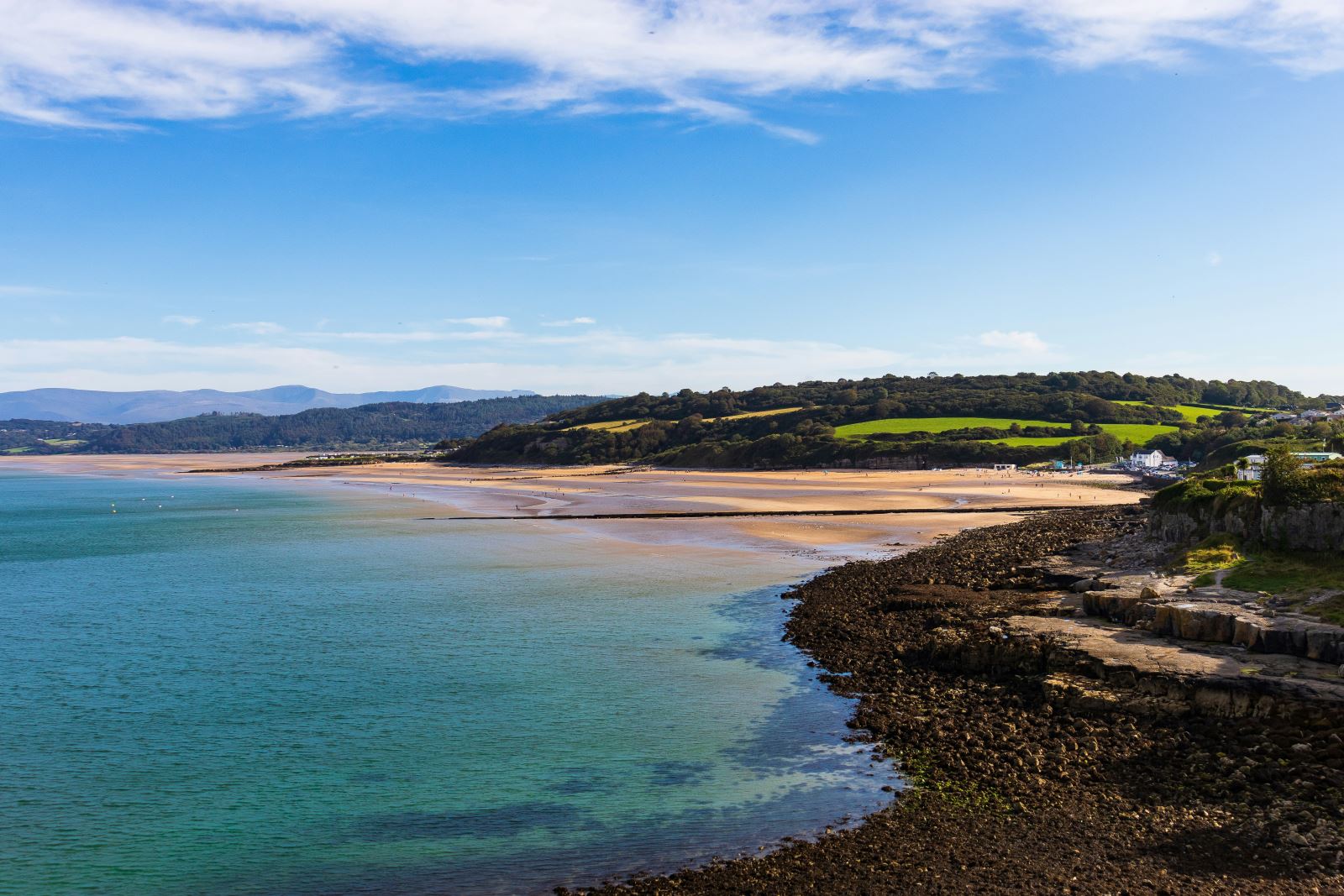
Photo by Dan Blackburn
Benllech is beloved for its vast, sandy beach and family-friendly atmosphere. It’s the perfect spot for an ice cream or a dip in the sea, but the limestone cliffs that shelter the sands carry a surprising secret: they were born in the tropics.
Roughly 330 million years ago, this part of Wales sat near the equator, submerged under a warm, shallow sea. The limestone you see today was formed from tiny shells and coral fragments settling on that ancient seabed. While the modern Welsh breeze might feel a bit cooler than the Caribbean, the bedrock reminds us of Anglesey's incredible journey across the globe. It’s the perfect place to enjoy a classic seaside day facing east, protected from prevailing winds by the tropically sourced limestone cliffs.
Llanddwyn

Photo by Mark Warren licensed under Creative Commons
A trip to Ynys Llanddwyn is a pilgrimage, dedicated to Dwynwen, the Welsh Patron Saint of Lovers. This tidal island is reached by a stunning mile-long walk along Newborough Beach. It is widely considered one of the most romantic spots in the UK.
As you explore the rocky outcrops on the causeway to the island, look for rounded, "bubbly" rock formations. These are pillow lavas, created 550 million years ago when lava erupted through the crust. The lava hit the much colder seawater and cooled instantly into shapes resembling giant stone pillows—much like toothpaste being squeezed from a tube and instantly freezing in shape.
With its ruined chapel, wild horses, and volcanic past, Llanddwyn is a blend of Welsh folklore and Earth history.
—------------------------------------------------------------------------------------------------------------------
If you would like to learn more about the origins of Anglesey come and visit GeoMôn’s visitor centre in the old Watch-house in Amlwch Port. Within the industrial remains left in the wake of the Copper and shipbuilding industry. The Watch-house, built in 1853, houses an exhibition on the geology of Anglesey. It will be open from the 29th of March until October. There will also be a special exhibition until the 12th of April for Stitched to the Ground. A community artwork of wallhangings featuring almost 300 stitchworks by people inspired by the geology, heritage and history of Anglesey.
Related
Comments
Corteiz1 https://palacecloth.com
Comments are disabled for this post.




Follow Us...
Facebook
Twitter
Instagram
Youtube